

Driving in Dubai Summer Heat: How Modern SUVs Handle Extreme Temperatures
06 May 2026
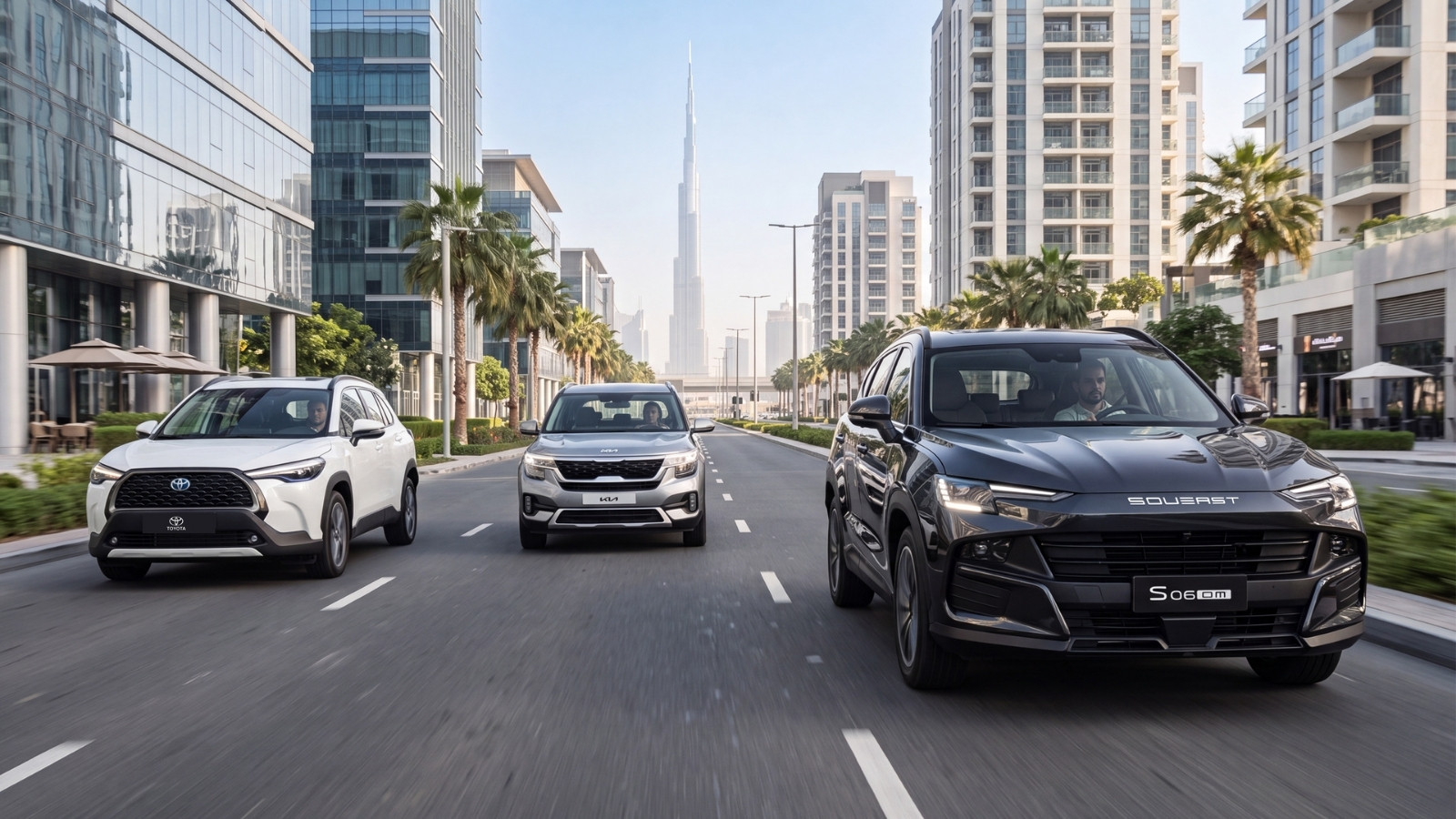
While Dubai remains a vibrant hub for tourism and business, the soaring heat across the region presents a unique set of challenges for motorists. For anyone driving in Dubai, the vehicle you choose is a critical sanctuary from the elements. Modern engineering has evolved significantly to ensure that high-end vehicles, particularly SUVs, remain reliable when the ambient temperature frequently exceeds 45°C.
Understanding how these machines combat the thermal load is essential for maintaining both safety and comfort on the road.
How Extreme Heat Affects Vehicle Performance
High temperatures in regions like the UAE can place significant strain on multiple vehicle systems, impacting both performance and long-term durability.
- Battery strain is one of the key concerns, as heat accelerates chemical reactions within the battery, leading to faster depletion of internal components and reduced lifespan.
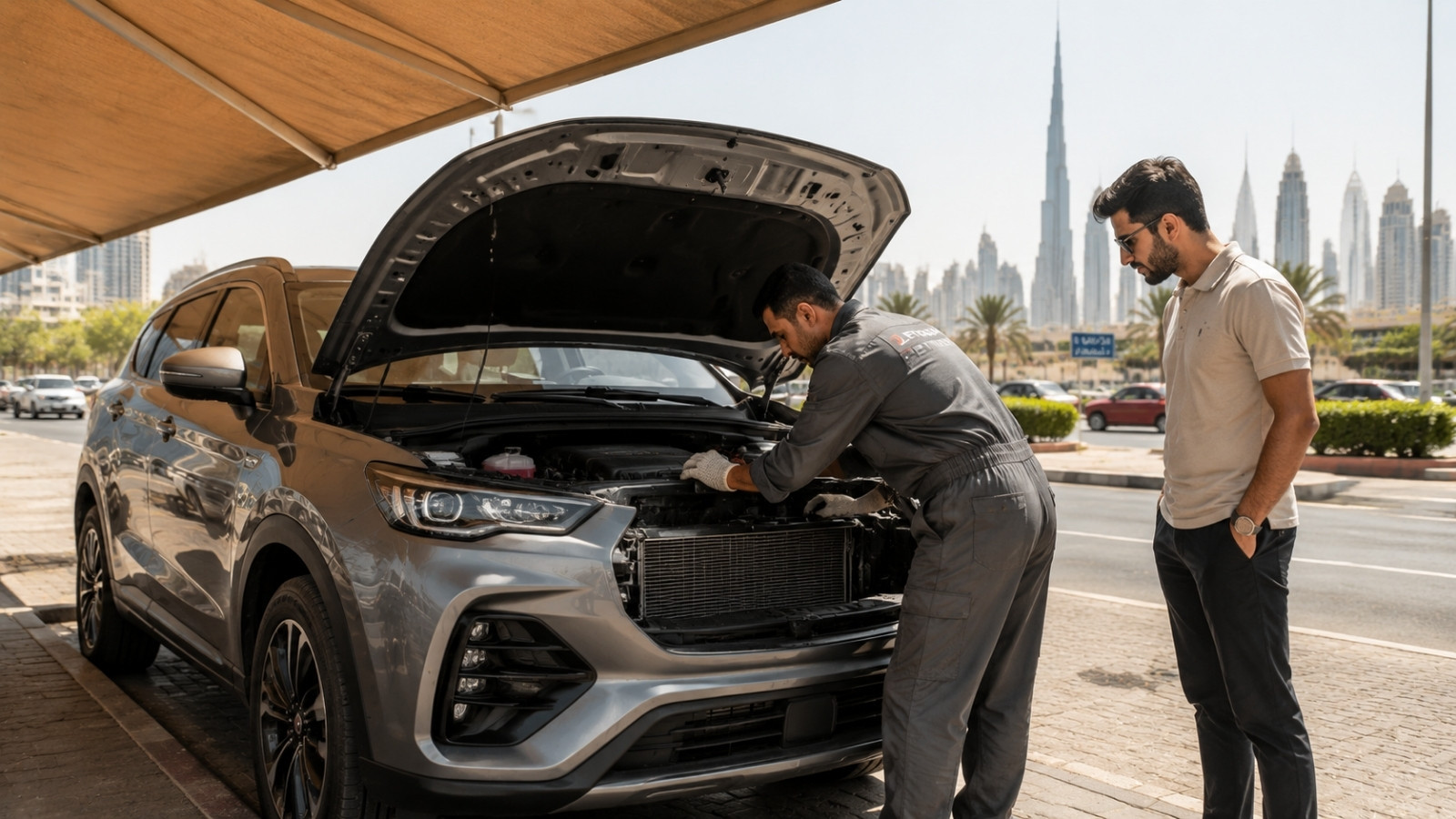
- Engine overheating can also occur more frequently in extreme climates, as high temperatures increase pressure on the cooling system. Coolant levels may reduce faster.
- The air conditioning system works harder in extreme heat to maintain cabin comfort, which can place additional load on the engine and marginally affect fuel efficiency during prolonged use.
- Tire pressure fluctuations are another common issue, as heat causes air inside the tires to expand. Without regular monitoring, this can lead to overinflation, reduced handling stability, and in extreme cases, an increased risk of blowouts.
- High temperatures can also impact fluid viscosity, causing engine oil and transmission fluids to thin. This reduces their ability to properly lubricate components, increasing wear over time if not regularly checked and replaced.
- In some cases, excessive heat may lead to electronic system stress, potentially affecting infotainment, navigation, and other sensitive onboard technologies.
Which SUV Systems Are Most Impacted by High Temperatures?
While all vehicle components are affected by extreme heat, certain systems experience greater stress under prolonged high-temperature conditions:
- The Battery: High temperatures accelerate internal chemical reactions, leading to faster degradation of the electrolyte and reduced long-term performance.
- Tires: As temperatures rise, air inside the tires expands, increasing pressure. If not monitored, this can lead to overinflation and a higher risk of blowouts, particularly during high-speed driving.
- The Braking System: Frequent braking generates significant heat. If brake fluid absorbs moisture over time, its boiling point can drop, potentially resulting in reduced braking efficiency or brake fade.
- Rubber Components: Belts, hoses, and seals can degrade faster under prolonged exposure to heat and UV radiation, becoming brittle and more prone to cracking.
How Modern SUVs Mitigate Heat-Related Issues
Automotive manufacturers have significantly advanced vehicle engineering to meet demanding Gulf-spec requirements, ensuring modern SUVs can operate reliably in extreme heat conditions. Today’s vehicles are equipped with upgraded cooling systems, improved thermal management, and climate-focused cabin technologies designed specifically for high-temperature environments.
A key development is the evolution of advanced cooling architecture, where modern SUVs now feature larger radiators, high-capacity water pumps, and intelligent electric fans that continue operating even after the engine is switched off. This helps prevent heat soak and maintains optimal engine temperature stability.
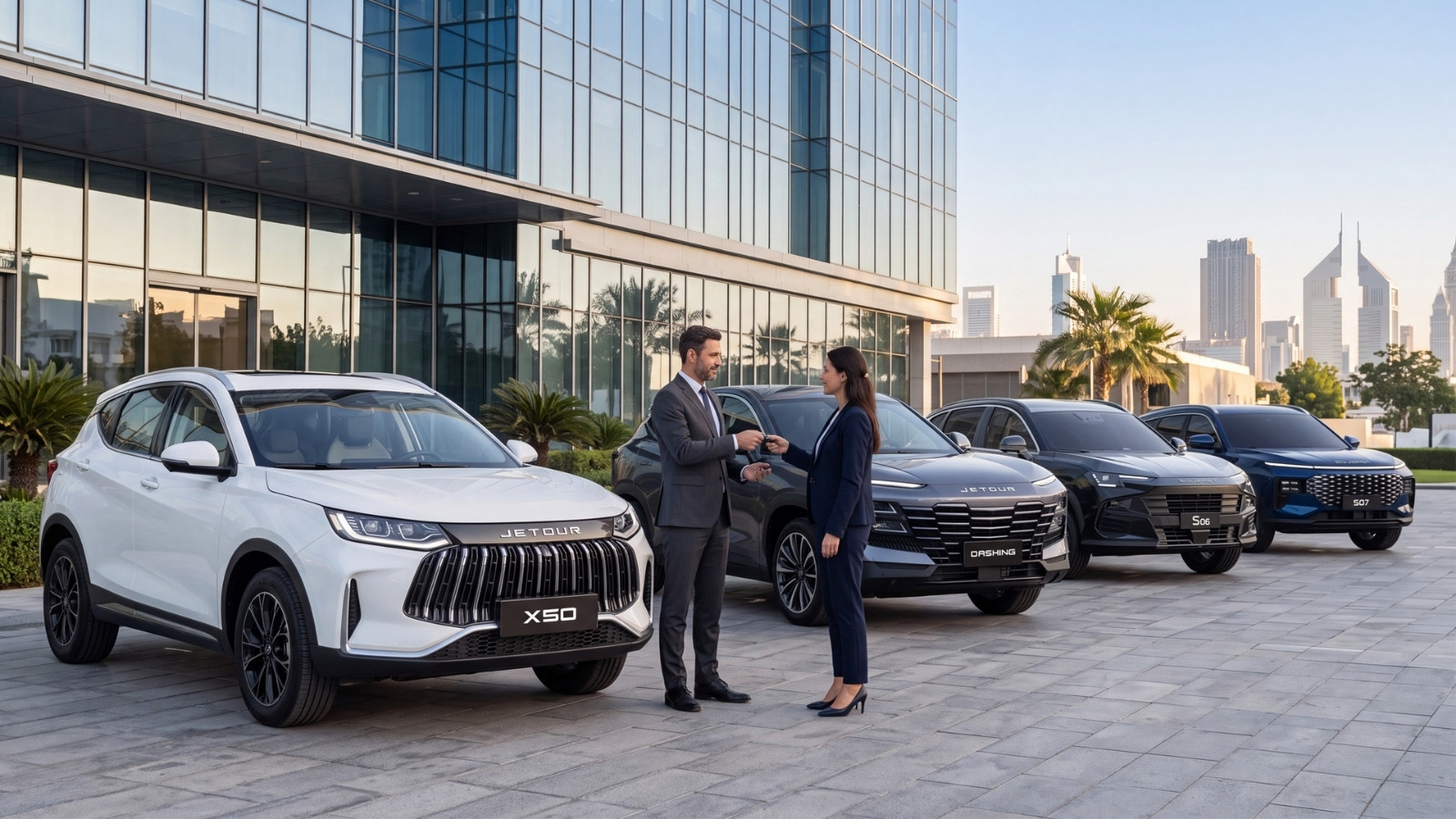
Brands such as Jetour and SOUEAST have also introduced models with features tailored for comfort and durability in hot climates:
- Jetour Dashing: Equipped with CN95-certified air filtration and anIntelligent Air Purification Systemdesigned to maintain a fresh cabin in extreme temperatures.
- SOUEAST S06: Features dual-zone automatic climate control and a multifunctional armrest box with a cooling function, allowing you to keep beverages and essentials chilled, helping maintain comfort and refreshment during extreme heat conditions.
- SOUEAST S09 (7-Seater SUV): Features ventilated seating, CN95 air filtration, and advanced automatic climate control systems, ensuring a consistently comfortable cabin environment for all passengers, even in extreme temperatures.
- Jetour T2 i-DM (Hybrid): A plug-in hybrid SUV that combines electric efficiency with petrol power, supported by intelligent thermal management systems that help regulate battery and cabin temperature in varying driving conditions.
- Jetour G700: A rugged SUV designed for performance and durability, featuring advanced climate control systems and reinforced cooling mechanisms suited for demanding driving environments.
Across both brands, comfort-focused technologies such as ventilated seats, multi-zone climate control, and high-efficiency air filtration systems play a key role in enhancing the driving experience. These features are especially valuable in regions like the UAE, where high ambient temperatures place continuous demand on vehicle cooling systems.
Hybrid and plug-in hybrid models such as the T2 i-DM also add another layer of thermal efficiency, as electric drive modes can help reduce engine load during low-speed driving, indirectly supporting better temperature management and energy efficiency in urban conditions.
What Drivers Should Watch for in Extreme Heat
Constant vigilance is the best strategy for maintaining car performance in hot weather conditions. Drivers should regularly inspect their coolant levels and look for any signs of crusty residue around hose connections, which often indicates a slow leak. It is also a good idea to monitor the tire pressure monitor system (TPMS) alerts closely.
If the temperature gauge on the dashboard begins to creep above the midpoint, it is vital to pull over safely and allow the engine to cool. Ignoring these early warning signs can lead to warped cylinder heads or total engine failure. Utilizing professional maintenance services ensures that the refrigerant levels in the air conditioning system are optimal and that the cabin filters are free of dust and sand, which can obstruct airflow.
Conclusion
Navigating the peak of summer in the Middle East requires a vehicle that is built to endure. Modern SUVs have proven to be the gold standard for this environment, blending robust mechanical cooling with luxury features that protect the occupants.
Lease your brand-new Jetour or SOUEAST SUV with ART Elite Car Rental. With 24/7 roadside assistance, along with complimentary insurance, registration, and maintenance services, driving in a hot climate becomes completely hassle-free.
By choosing a vehicle equipped with advanced thermal management systems and staying proactive with maintenance, you can ensure uninterrupted performance even in extreme weather conditions. If you’re looking for a vehicle that can confidently handle the elements, contact us for more information or explore all our Available Cars to find the perfect SUV for your needs.
Frequently Asked Questions
It is advisable to check your coolant levels every two weeks during the hottest months. Always make sure that the engine is completely cool before opening the reservoir cap to avoid burns from pressurized steam.
High temperatures accelerate the chemical reactions inside a lead-acid battery, which speeds up wear and shortens its lifespan. Heat also causes the water content in the electrolyte to evaporate over time, exposing internal components and reducing battery efficiency.
Avoid max AC right after you start your car. It’s better to open the windows for a minute to let the trapped hot air escape first. This reduces the initial load on the air conditioning compressor, allowing the system to reach a comfortable temperature more efficiently.
While distilled water can be used in an emergency, it’s not recommended for long-term use. Proper coolant contains anti-corrosion additives and has a higher boiling point than plain water, which is essential for preventing engine damage in extreme heat.