

Can Plug-In Hybrid SUV Leasing Support ESG Goals in Dubai?

31 August 2026
Topic Overview
- PHEVs Provide a Practical Fleet Option: Plug-in hybrid SUVs combine electric driving with the flexibility of a petrol engine for varied business journeys.
- Fleet Decisions Can Support ESG Priorities: Their clearest contribution is environmental performance, supported by consistent measurement and responsible fleet governance.
- Operational Planning Shapes the Results: Vehicle selection, route suitability, fleet usage, and charging routines influence real-world efficiency.
- Leasing Supports an Adaptable Transition: Businesses can introduce newer vehicle technology while retaining the flexibility to review their fleet as requirements change.
Driven by initiatives such as the UAE Net Zero 2050 Strategy, the UAE Green Agenda 2030 and the Dubai Green Mobility Strategy 2030, organizations are reviewing how transport and other daily operations affect their sustainability objectives.
Depending on their sector and stakeholders, procurement officers, operations directors and sustainability managers may encounter emissions-reporting requests or sustainability criteria from investors, customers, supply-chain partners and tendering organizations.
Within this broader sustainability context, building a more efficient corporate fleet can support operational and environmental objectives. For businesses looking to reduce transport-related fuel use and emissions without relying entirely on charging infrastructure, plug-in hybrid (PHEV) fleet leasing may provide one practical option.
How PHEV Fleet Decisions Relate to ESG
ESG covers the environmental, social and governance considerations that influence how a business operates and measures its wider impact.
For a corporate fleet, plug-in hybrid leasing relates most directly to environmental goals through the management of fuel use, electricity consumption and vehicle emissions. It can also support governance by encouraging clear vehicle-selection criteria, accurate fleet data and consistent emissions reporting.
Social considerations may include driver and passenger safety, accessibility and employee mobility where these form part of the company’s fleet policy. In this way, PHEV leasing can support specific areas of a broader ESG strategy.
Why Fleet Composition Matters for UAE Businesses
Company vehicles are used every day for sales visits, executive transport and field operations. The vehicles a business selects can therefore influence its fuel costs, operational performance and progress toward sustainability goals.
The most useful measures are how much fuel and energy the fleet consumes, the emissions it produces and whether each vehicle suits its assigned routes.
Businesses working with major clients or multinational supply chains may also need to provide sustainability or emissions information. However, the way fleet emissions are reported is not always straightforward.
According to the GHG Protocol’s guidance for leased assets, emissions from leased vehicles fall under Scope 1 (direct) or Scope 3 (indirect), depending on the lease arrangement and the organizational-boundary approach used by the business. Electricity purchased to charge leased vehicles similarly falls under Scope 2 or Scope 3.
Suitable plug-hybrid vehicles may use less fuel and produce fewer tailpipe emissions than comparable petrol-only models. The results depend on the vehicles being compared, the routes travelled, driver behavior and, for plug-in hybrids, how regularly they are charged. The US Department of Energy’s PHEV guidance explains that fuel use and emissions depend partly on the distance travelled between charges and the amount of driving completed in electric mode.
Businesses considering leasing a plug-in hybrid fleet can review the available models at ART Elite Car Rental.
The Practical Case for Plug-In Hybrid SUVs in a Corporate Fleet
Moving to a fully electric fleet may require additional planning around charging access, journey length and vehicle downtime. Plug-in hybrid electric vehicles offer another option by combining a rechargeable battery and electric motor with a petrol engine.
When charged regularly, a PHEV can use electric power for part of a journey while retaining petrol support for longer routes. This can suit businesses that want to reduce fuel use without relying entirely on charging infrastructure. The benefits depend heavily on how often the vehicle is charged and the distance travelled between charges.
Potential Fuel Savings in Urban Traffic
Dubai’s stop-and-go traffic can allow PHEVs to make use of regenerative braking, which recovers some of the energy normally lost during braking and stores it in the battery.
When sufficient battery charge is available, the electric motor may support low-speed driving and acceleration while reducing the amount of time the petrol engine is required. This may lower fuel consumption compared with a similar petrol-only vehicle, although actual savings depend on the model, route, driving style and charging routine.
Flexibility for Different Business Journeys
Corporate vehicles may be used for client meetings, employee transport, site visits and inter-emirate travel. Plug-in hybrid SUVs can provide the cabin and cargo space needed for these journeys while offering both electric and petrol driving capability.
This flexibility can make PHEVs suitable for businesses whose vehicles cover a mix of shorter urban journeys and longer routes. Vehicle size should still reflect the job, as unnecessary weight and capacity can increase overall energy consumption.
Powertrain Comparison for Fleet Managers
- Plug-in hybrid: Combines a rechargeable battery and electric motor with a petrol engine. Regular charging is important for maximizing electric driving and potential fuel savings.
- Conventional hybrid: Uses a petrol engine, electric assistance, and regenerative braking but cannot be connected to an external charger.
- Petrol SUV: Benefits from established refuelling infrastructure and long-distance flexibility. Fuel use and emissions should be assessed using vehicle-specific data.
- Battery-electric vehicle: Operates without tailpipe emissions but requires suitable charging access and route planning. Electricity consumption and the source of the electricity should also be considered.
How Leasing Can Support the Transition
Updating an entire corporate fleet requires careful planning. Buying vehicles outright can involve a large upfront investment and tie capital up in fleet assets.
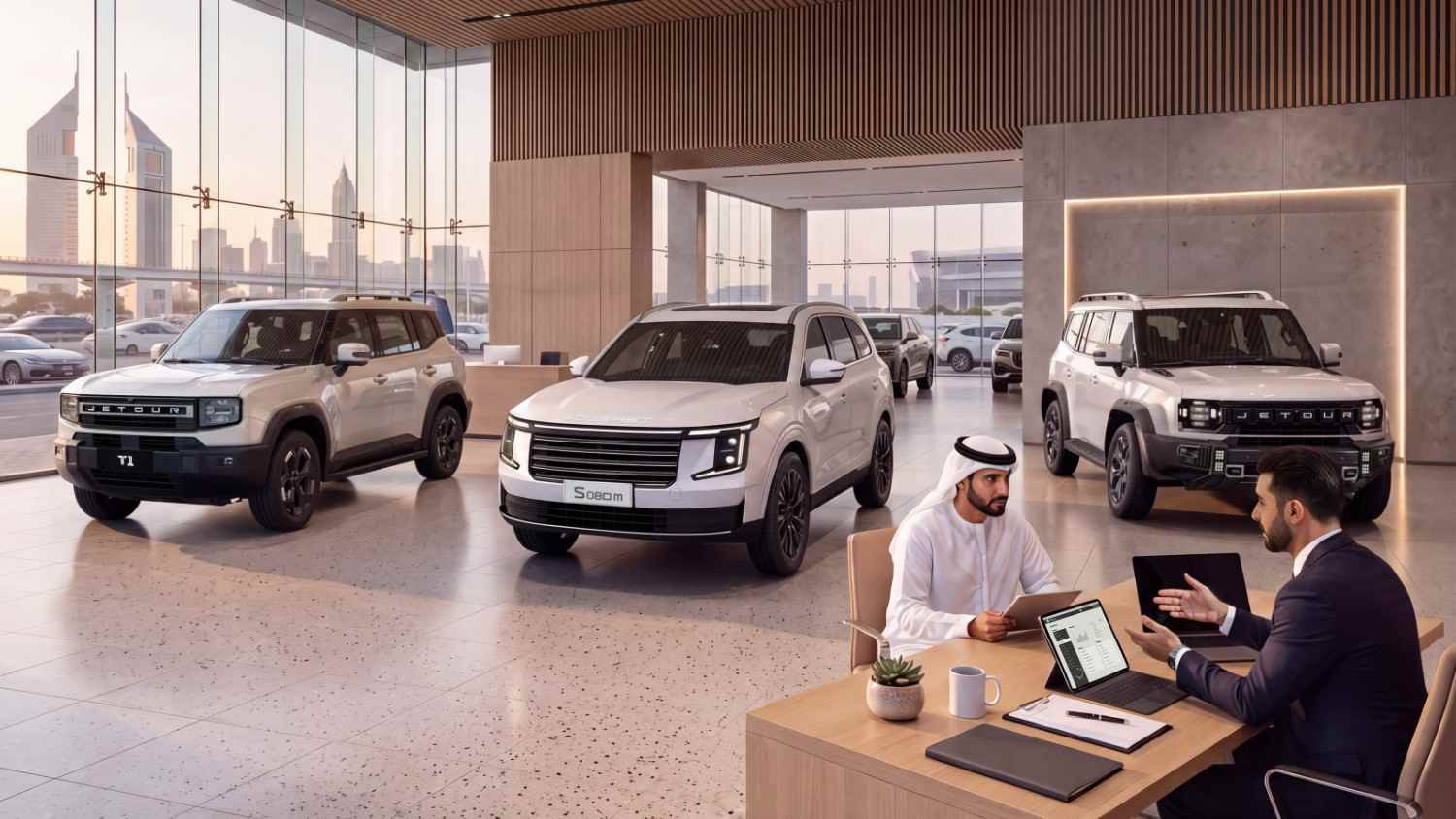
Corporate Leasing Solutions, including those offered by ART Elite Car Rental, provide an alternative way to access newer vehicles while spreading contractual payments over a lease period.
- Capital Preservation and Predictable Payments - Corporate leasing can replace an outright vehicle purchase with contractual monthly payments. This may help businesses preserve capital for operations, technology, workforce expansion, and other priorities. Businesses should also compare the complete lease cost, mileage limits, early-termination terms, included services, and potential end-of-contract charges with the cost of ownership.
- Managing Fleet Services and Budgeting - Leasing can help businesses manage some ownership-related responsibilities when services are included in the agreement. Our corporate leasing plans include insurance, maintenance, registration, roadside assistance, and replacement-vehicle support. Bringing these services together can make vehicle costs and administrative responsibilities easier to manage. At the end of the lease term, businesses can reassess their transport requirements. Depending on the available options and agreement, they may then renew, change models, or revise the size and composition of the fleet.
Corporate Car Leasing with ART Elite Car Rental
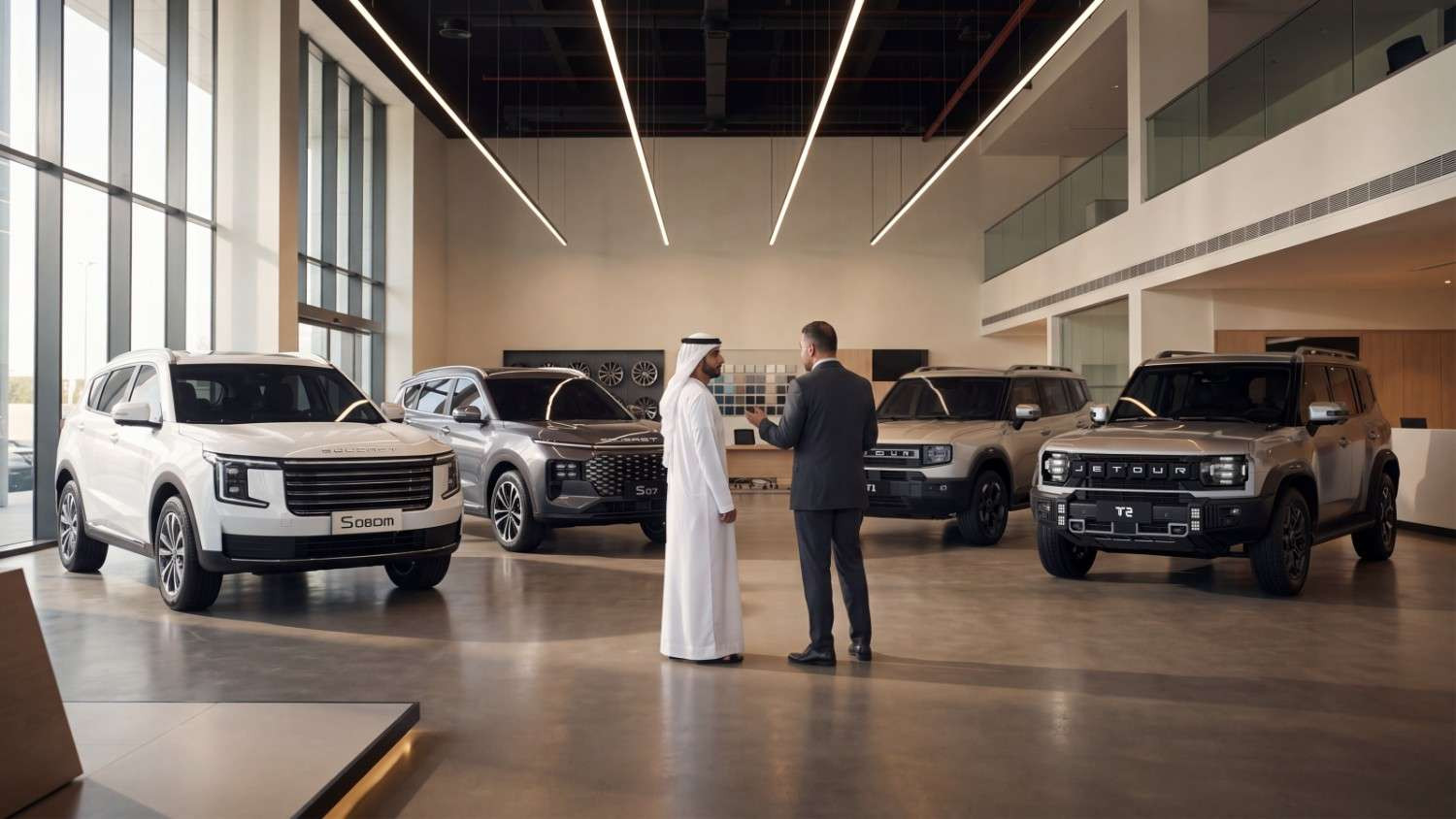
The current fleet available for corporate leasing at ART includes selected brand-new plug-in hybrid SUVs that can support different operational requirements.
- Compact Plug-in Hybrid SUV -The SOUEAST S06DM is a five-seat plug-in hybrid SUV that may suit urban journeys, client visits, and general employee transport.
- Seven-Seat Plug-in Hybrid SUV - The SOUEAST S08DM provides seven seats and includes driver-assistance features, making it a possible option for team or passenger transport.
- Versatile Plug-In Hybrid SUV - The Jetour T1 i-DM is a five-seat plug-in hybrid SUV suited to a combination of urban travel, client visits, and longer journeys. Its spacious cabin, driving-assistance technology and multiple drive modes make it a versatile option for different business requirements.
- Plug-in Hybrid with Four-Wheel Drive - The Jetour T2 i-DM combines plug-in hybrid capability with four-wheel drive. It may suit businesses requiring a vehicle for a mixture of urban travel, longer routes, and road conditions where four-wheel drive is useful.
- Larger Executive Option - The Jetour G700 Plug-in Hybrid provides a larger option for executive mobility, client-facing roles or passenger transport. ART Elite’s corporate leasing offer includes brand-new vehicles, 12- to 48-month contracts, dedicated account support, replacement vehicles and 24/7 roadside assistance. Model availability and final terms remain subject to the applicable quotation and agreement. Introducing suitable PHEV vehicles can form part of a wider fleet-efficiency and emissions-reduction plan, provided the business measures actual fuel, electricity and emissions performance. To explore available vehicles, visit ART Elite Car Rental in Al Quoz Industrial Area 3 or contact our team.
Frequently Asked Questions
Plug-in hybrid vehicles combine electric driving with the flexibility of a petrol engine. When regularly charged and matched to suitable routes, they can help businesses reduce fuel use and tailpipe emissions while supporting both urban and longer-distance travel.
PHEV fleets relate directly to environmental goals through fuel, electricity, and emissions management. They can also support governance through clear procurement criteria, reliable fleet data, and consistent reporting. Driver safety and employee mobility may contribute to social priorities when included in the company’s fleet policy.
Our current corporate leasing fleet includes the SOUEAST S06DM, SOUEAST S08DM, Jetour T2 i-DM, Jetour T2 i-DM, and Jetour G700 Plug-in Hybrid. Model availability and final terms should be confirmed when requesting a quotation.
It may reduce fuel costs when vehicles are charged regularly and used on suitable routes. The overall result depends on lease pricing, mileage, charging habits, fuel and electricity costs, included services, and contract terms. Businesses should compare the expected total operating cost of each option using their actual fleet requirements.
RELATED BLOGS

31 August 2026
Corporate Car Leasing in the UAE: Tax Rules Explained